Insights · Guide
Game trailer localization and versioning: how one trailer becomes a global campaign
A launch trailer is approved once, then delivered dozens of times: in every language, format and duration the campaign needs. Here is what gets localized, how the versions add up and how to prepare the files, with examples from Cherry on Top productions.
At a glance
| Deliverable | What changes | Example |
|---|---|---|
| Language versions | Titlecards, subtitles, voice-over, legal lines, end card | Dead by Daylight 10th Anniversary, six languages |
| Format adaptations | 16:9 master re-laid out in 9:16 and 1:1 | Just Dance 2025 |
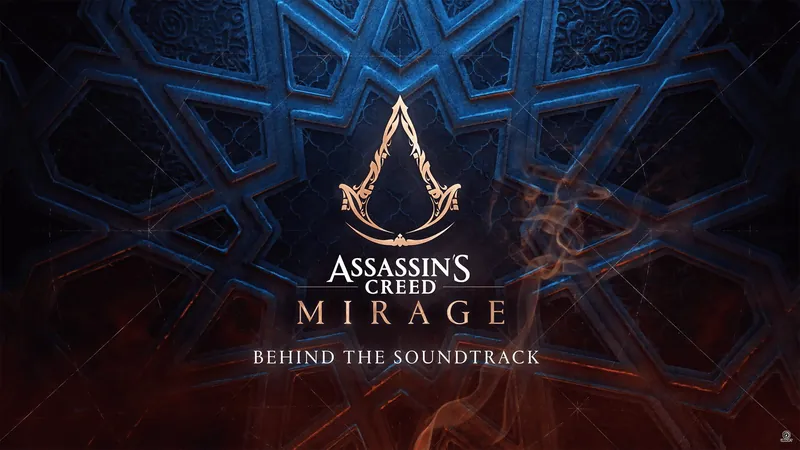
| Duration versions | Long, lead and 15 or 6 second cuts | Assassin's Creed Mirage: Behind the Soundtrack |
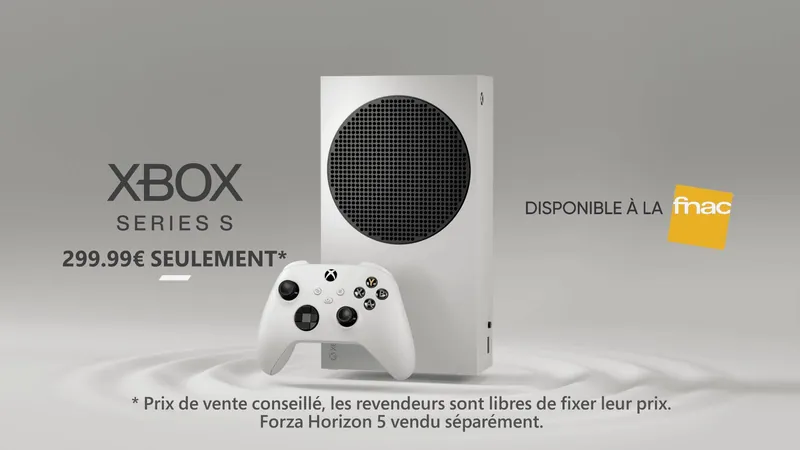
| Broadcast versions | Channel specs and, in France, ARPP approval | Xbox Series S TV spot |
| Out-of-home formats | Special screen sizes and durations | Star Wars Outlaws DOOH |
A trailer in five languages, three formats and three durations already means 45 files, before TV or out-of-home versions.
01
What EXE & LOC means
A trailer is approved once, as a lead version, usually in English and in 16:9. Then it has to exist everywhere the campaign runs: in each language, on each social platform, in each ad slot, sometimes on TV and on screens in the street. That second phase is called EXE & LOC, for execution and localization, and on a global launch it can easily be as large as the edit itself.
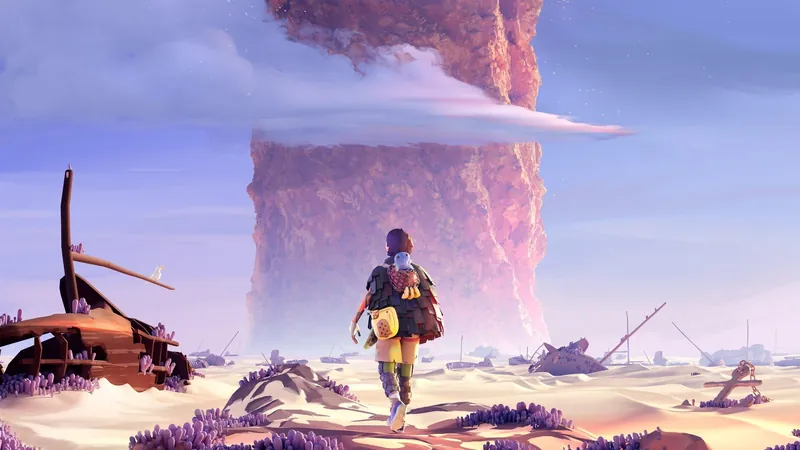
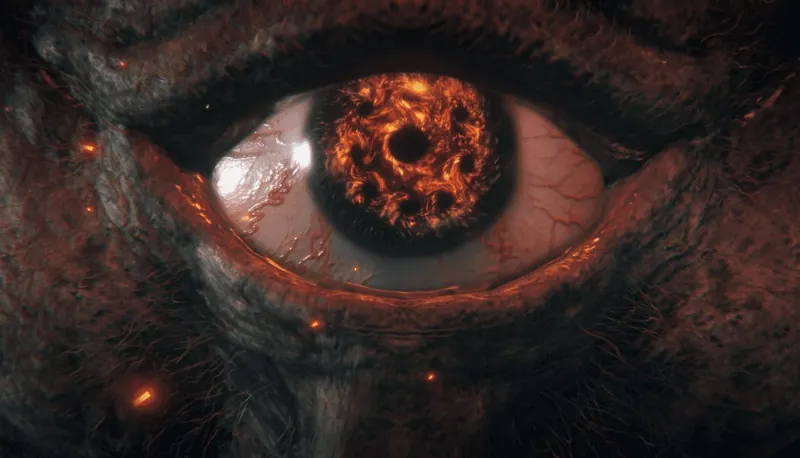
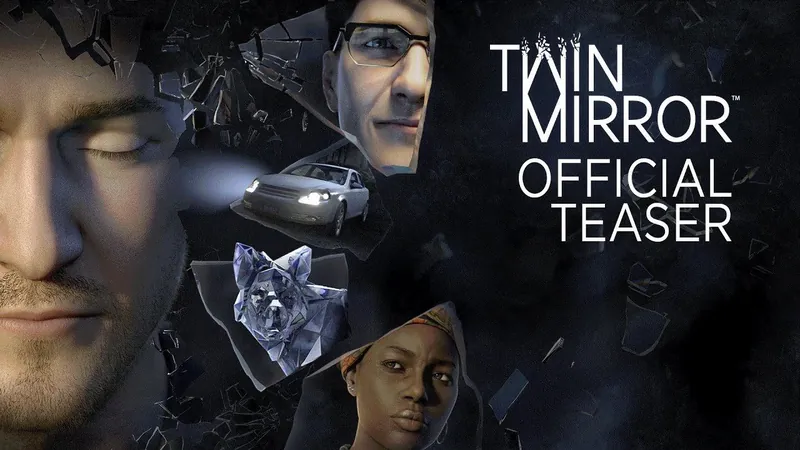
It is a job in its own right. For Don't Nod's Jusant, Cherry on Top managed localization, versioning and multi-format delivery so the launch trailer worked across languages and platforms on day one. For Elden Ring, the team handled localization, versioning and final deliveries in multiple languages and formats for Bandai Namco's pre-order campaign. On Twin Mirror, it closed a full production, from concept to audio mix, with full localization and versioning for a global launch.
02
What gets localized in a trailer
Localizing a trailer is more than translating subtitles. Everything the viewer reads or hears can change from one market to the next:
- Titlecards and on-screen text: taglines, feature callouts, quotes and dates, rebuilt in each language rather than covered up.
- Subtitles: for dialogue and narration, timed and styled to stay readable on a phone.
- Voice-over: narrators and characters recorded by local talent in the markets that matter most.
- Legal lines: age ratings, trademarks and disclaimers, which differ from one region to another.
- End card and call to action: release date, platforms and store buttons, which can change by market.
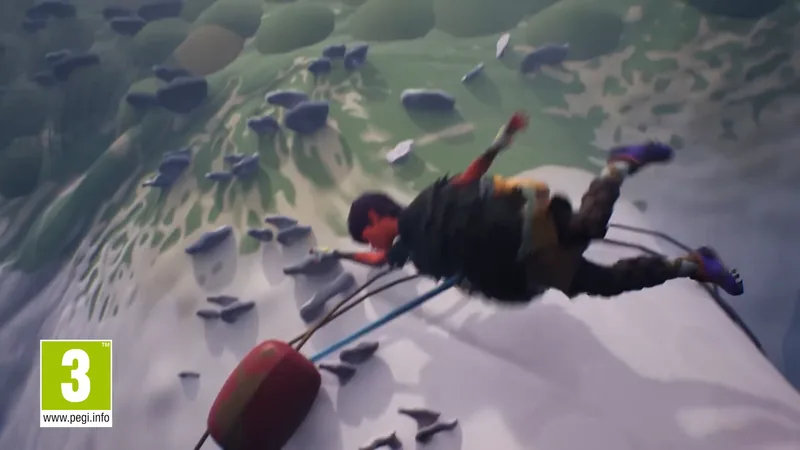
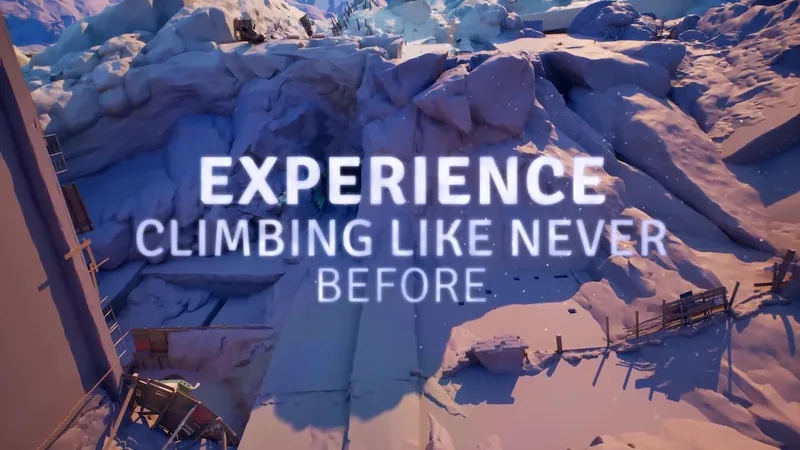
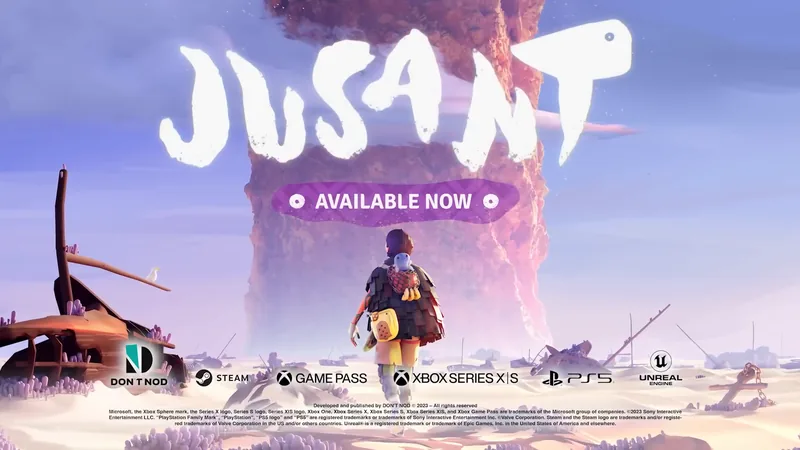
Frames from the Jusant launch trailer (Don't Nod), localized and versioned by Cherry on Top.
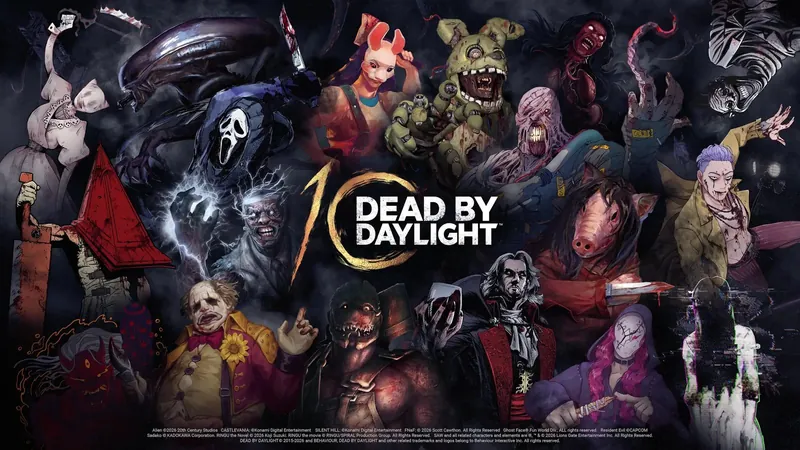
The Dead by Daylight 10th Anniversary collector's edition reveal shows why this matters: a 60-second 3D cinematic for Behaviour, delivered in six languages so the anniversary reached fans in each market.
03
Formats and durations: the version matrix
Languages are one axis. Formats and durations are the others. The 16:9 master becomes a 9:16 version for TikTok, Shorts and Reels and a 1:1 version for feeds, and the lead cut gets shorter versions for ads. Reframing for vertical is not a crop: titlecards, logos and the key action have to be laid out again for a narrow screen.
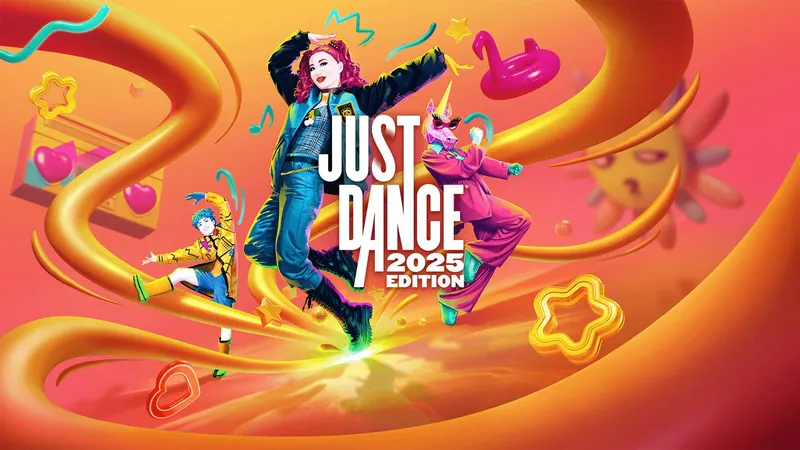
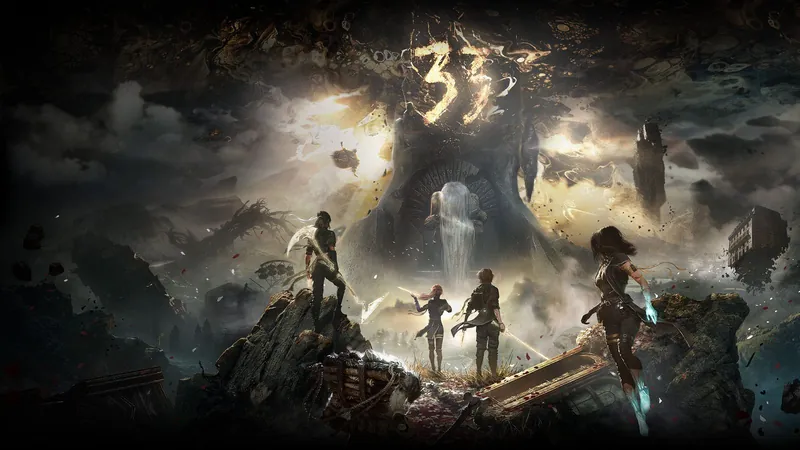
For Just Dance 2025, Cherry on Top delivered 9:16 and 1:1 adaptations in 15 and 6 second versions alongside the lead English trailer. The Assassin's Creed Mirage: Behind the Soundtrack featurette was delivered as English subtitled versions of 8 minutes, 3 minutes and 15 seconds, with extra 9:16 and 1:1 cuts for social. Giveaway videos for Xbox, like Clair Obscur: Expedition 33, ship in 16:9, 1:1 and 9:16 from the start.
04
TV and out-of-home versions
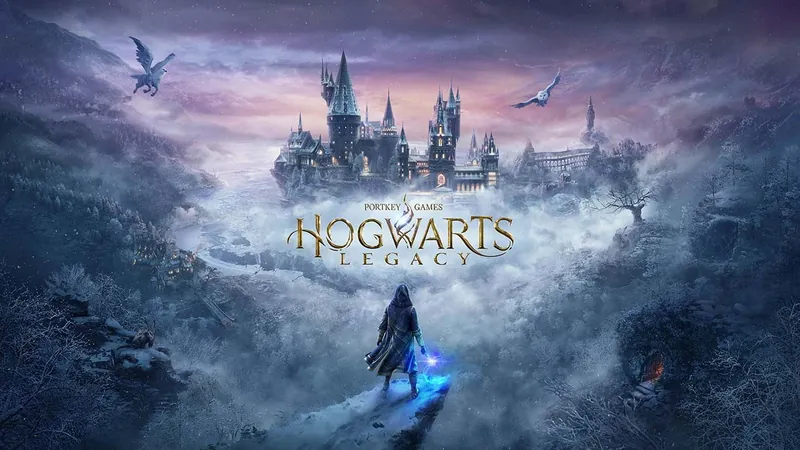
Television and screens in public spaces add their own rules. Each TV channel has delivery specs, and in France a TV spot must be approved by the ARPP before it airs. For the Xbox Series S TV spot, Cherry on Top started from Microsoft's After Effects working files and gameplay footage, localized the spot, handled ARPP compliance and delivered it for French broadcast. The Hogwarts Legacy TV spot went through the same steps, with broadcast files for each channel.
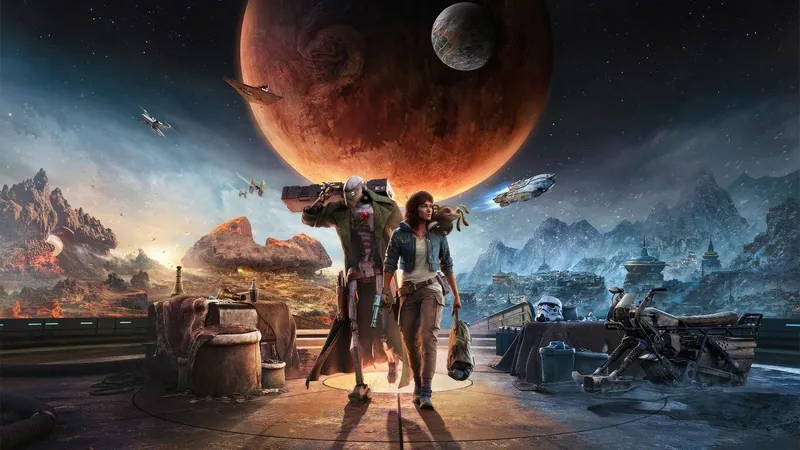
Out-of-home screens come in sizes and durations of their own. For Star Wars Outlaws, the team created motion design adaptations in multiple formats and durations for malls, metro networks, train stations and shopping centres.
05
How to prepare a trailer for localization
Most of the time spent on versioning is decided before it starts. These are the files and decisions that make it fast and consistent:
- Working filesThe project files with live text layers (After Effects or equivalent), not only a flattened video.
- A textless masterThe trailer without titlecards, subtitles or end card, plus the graphics and logos used in it.
- Separate audio stemsDialogue, music and sound effects on separate tracks, so voice-over can be replaced and the mix rebalanced.
- Approved translationsTranslated lines checked by the local teams, with a glossary for character names, places and game terms.
- The version listEvery language, duration, format and platform in one table, with the date each file is needed.
- Legal lines and specsRating information, trademarks and disclaimers per market, and the technical specs of each platform or broadcaster.
Four common pitfalls
- Text that does not fit: French, German or Spanish lines often run longer than English. Titlecards designed with room to spare save a redesign per language.
- Text burned into the master: Without a textless master, every language version means hiding the English text before adding the new one.
- Music cleared for one territory: Check that the music licence covers every market, platform and duration before the versions are made.
- Late changes to the lead: A change to the lead after versioning has started has to be repeated in every file. Lock the lead first.