Insights · Guide
How to brief a game trailer studio: what to send before production starts
A good brief saves weeks. It tells the studio what the trailer is for, what it can be made from, what it must say and how many versions it will become. Here is what to send before production starts, with a template and examples from Cherry on Top productions.
At a glance
| Part of the brief | What to include | Example |
|---|---|---|
| Goal and moment | Which trailer, for which beat of the campaign, on which stage | Aphelion reveal at the Xbox Showcase |
| Game material | Build access, captured footage, 3D assets or working files | Endurance: built from the in-game car models |
| Story and tone | Key messages, references, what must be shown and what must not | Twin Mirror: concept and scenario design |
| Music and voice | Provided track or not, licence coverage, voice talent | Just Dance 2025: Ubisoft-provided music |
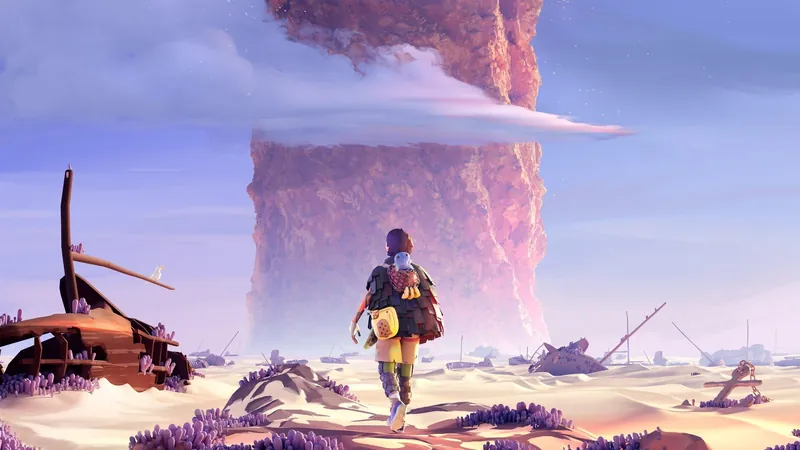
| Version list | Languages, formats, durations, TV and platform specs | Jusant: localized and versioned for launch |
| Deadline and approvals | Event date, review rounds, who signs off | Hot Wheels: reveal at Summer Game Fest 2026 |
01
Start with the goal and the moment
Every brief should open with one sentence: what this trailer must achieve, and when. A reveal introduces a game the world has never seen; a launch trailer tells people they can buy it now. Aphelion, Dontnod's new IP, was revealed at the Xbox Showcase with a cinematic built to establish the game's identity. Hot Wheels Infinite Rush was revealed at Summer Game Fest 2026. Naming the stage and the date tells the studio the format, the tone and the deadline at once.
If you are not sure which trailer you need, our guide to game trailer types explains what each one is for and when it comes out.
02
Say what game material the studio can use
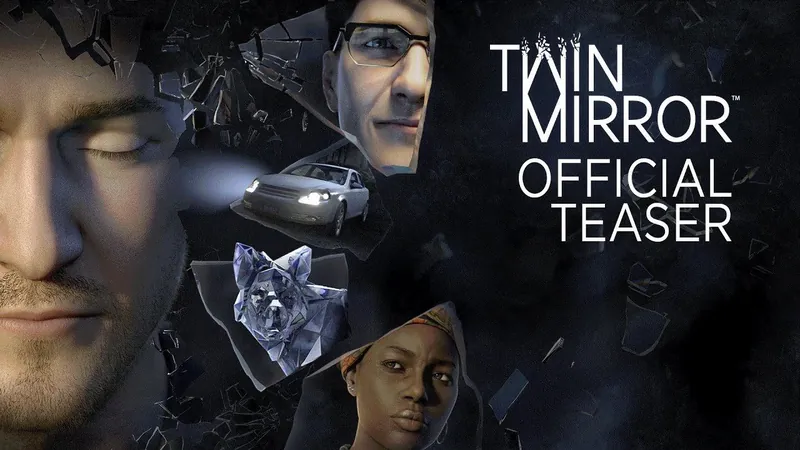
This decides how the trailer will be made. With access to the build, the team can capture exactly the shots it needs: for Twin Mirror and for the Beyond: Two Souls PC trailer, gameplay was captured directly in-build.
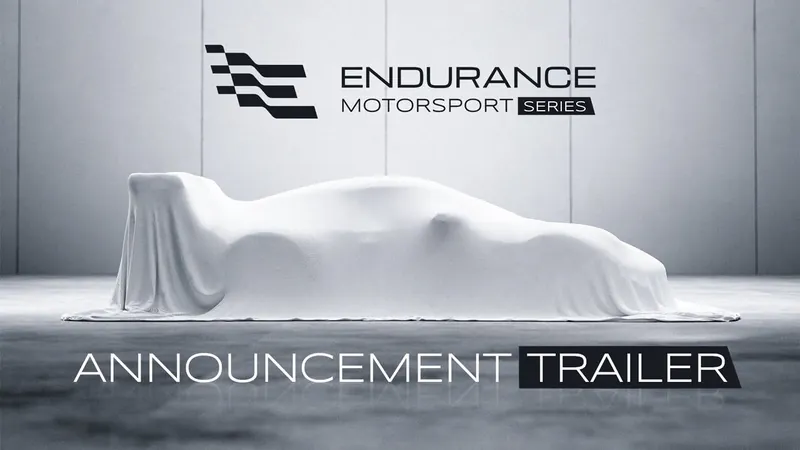
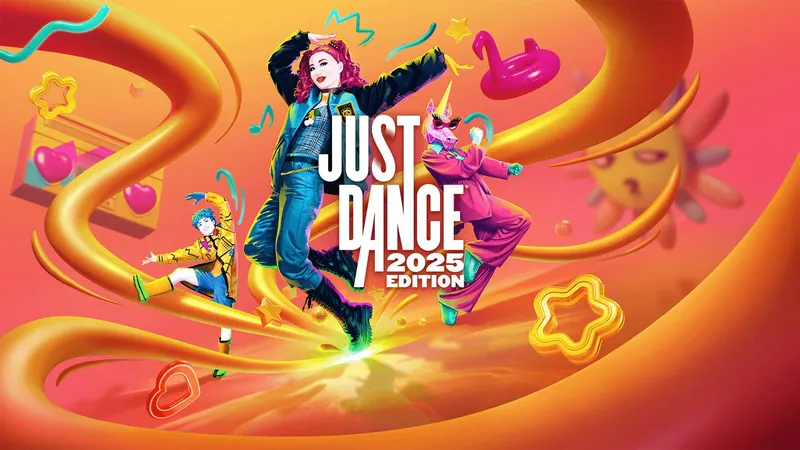
Without a final build, other material works. For Endurance Motorsport Series, Nacon's racing game, Cherry on Top built the reveal from scratch in Unreal Engine 5 using only the in-game 3D car models. For Just Dance 2025, Ubisoft provided the music and gameplay footage, and the team handled editing, motion graphics, titlecards and end card. For the Xbox Series S TV spot, the starting point was Microsoft's After Effects working files and gameplay footage. List what exists, what will exist and when.
03
Share the story, the messages and the limits
A studio can propose ideas, but it needs to know what the trailer must say. Give the two or three key messages, the features to show, the tone, a few references you like, and anything that must stay hidden: spoilers, unfinished areas, characters under embargo. On Twin Mirror, Cherry on Top managed the whole pipeline from concept development and scenario design to the audio mix; a clear starting brief is what makes that kind of end-to-end work possible.
04
Plan the music and the voice
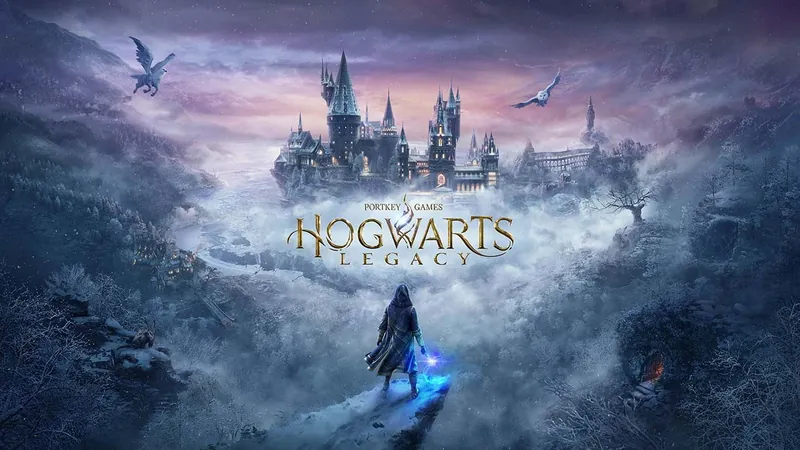
Music sets the rhythm of the edit, so it is better decided early. Say whether you provide a track, as Ubisoft did for Just Dance 2025, or expect the studio to select or produce one, and check that the licence covers every market and platform. If the trailer has a narrator or characters, say which languages need local voices. For the Hogwarts Legacy TV spot in France, the cast featured Adeline Chetail, the French voice of one of the main characters.
05
Write down every version you need
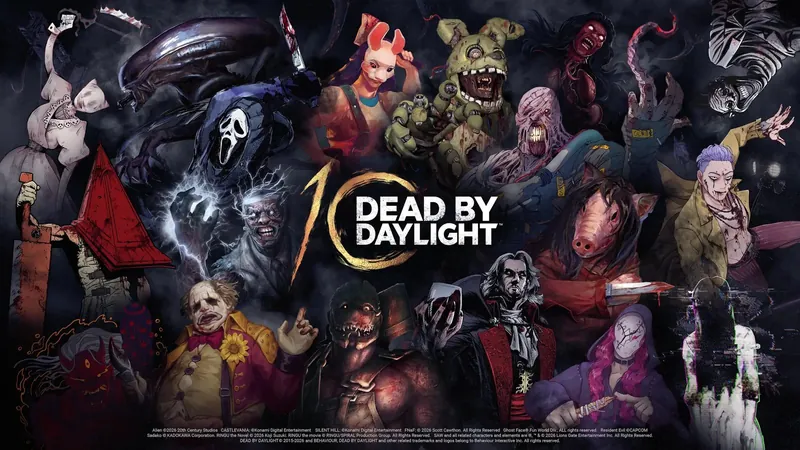
The lead trailer is only the beginning. Languages, formats and durations multiply the deliverables: for Jusant, Cherry on Top handled localization, versioning and multi-format delivery for a global release; the Dead by Daylight 10th Anniversary collector's edition reveal was delivered in six languages; Just Dance 2025 came with 9:16 and 1:1 adaptations in 15 and 6 second versions. TV adds its own rules: in France, a spot needs ARPP approval before it airs.
Our guide to trailer localization and versioning shows how these versions add up and how to prepare the files.
06
Fix the deadline and the approvals
Give the date the trailer goes live, and work back from it: when the material arrives, when the first cut is shown, how many review rounds there are, and who has the final say. Feedback from one decision-maker, gathered from the team, is faster than five sets of notes. Lock the lead version before versioning starts: a change made after that has to be repeated in every file.
07
A brief template you can copy
One page is enough. These are the ten lines we ask for before starting a trailer:
- ProjectGame, publisher, platforms, release date.
- GoalOne sentence: what the trailer must achieve, for which audience.
- Type and momentReveal, gameplay, story, launch, TV spot… and where it premieres.
- Game materialBuild access, footage, 3D assets, working files, logos and fonts, with delivery dates.
- MessagesTwo or three key messages, features to show, things to avoid or keep secret.
- ReferencesTrailers or films you like, and why.
- Music and voiceTrack provided or to find, licence scope, voice-over languages.
- VersionsLanguages, formats, durations, TV and platform specs, in one table.
- ScheduleGo-live date, first cut, review rounds, final delivery.
- ApprovalsWho gives feedback and who signs off.